Explore all-inclusive tree service offerings for a better-maintained landscape.
Effective tree service practices play a essential role in sustaining a well-kept landscape. Good tree care not only enhances visual beauty but also contributes to environmental stability. Familiarizing yourself with the different services provided can help property owners make informed decisions. Yet, many may fail to recognize the lasting benefits that specialized tree care provides. This article will explore key aspects of tree services and their effect on landscape health. What follows may alter how one views their outdoor space entirely.
Grasping the Importance of Tree Care
Tree care is vital to maintaining the vitality and lifespan of trees, as it affects the surrounding ecosystem and boosts property value. Good tree care encompasses a range of methods, including pruning, watering, and watching out for pests and diseases. Well-maintained trees contribute to improved air quality, provide shade, and foster diverse life by offering habitats for various species. Moreover, properly cared-for trees can significantly boost property appeal, drawing in potential buyers and raising market value.
Neglecting tree care can lead to compromised integrity, making them susceptible to disease and environmental pressures. This can cause hazardous conditions, such as falling branches or uprooted trees, threatening safety to people and property. Moreover, the beauty of landscapes diminishes when trees are not properly cared for. In the end, recognizing the importance of tree care is key to ensuring not only the vitality of the trees themselves but also the stability of the broader environment.
Common Tree Services and Their Benefits
Typical tree services, such as pruning and trimming, play an vital role in maintaining the look and vitality of trees. Furthermore, tree removal may become necessary for safety reasons or to stop disease spread. Understanding these services can help property owners make smart choices for their landscapes.
Pruning and Trimming Methods
While maintaining the health and aesthetics of a landscape, pruning and trimming techniques are vitally important in tree care. These practices involve the careful removal of certain limbs to strengthen the tree's architecture, foster robust growth, and improve air circulation and sunlight exposure. Consistent pruning aids in stopping diseases and pest infestations by eliminating dead or diseased wood. Trimming, on the other hand, is primarily about contouring the tree and controlling its dimensions, preventing it from hindering pathways or structures. Effective pruning and trimming can increase fruit production in fruit-bearing trees and enhance flowering in ornamental varieties. Applying these practices not only adds to the aesthetic appeal of the landscape but also supports the long-term health of the trees within it.
Tree Removal Necessities
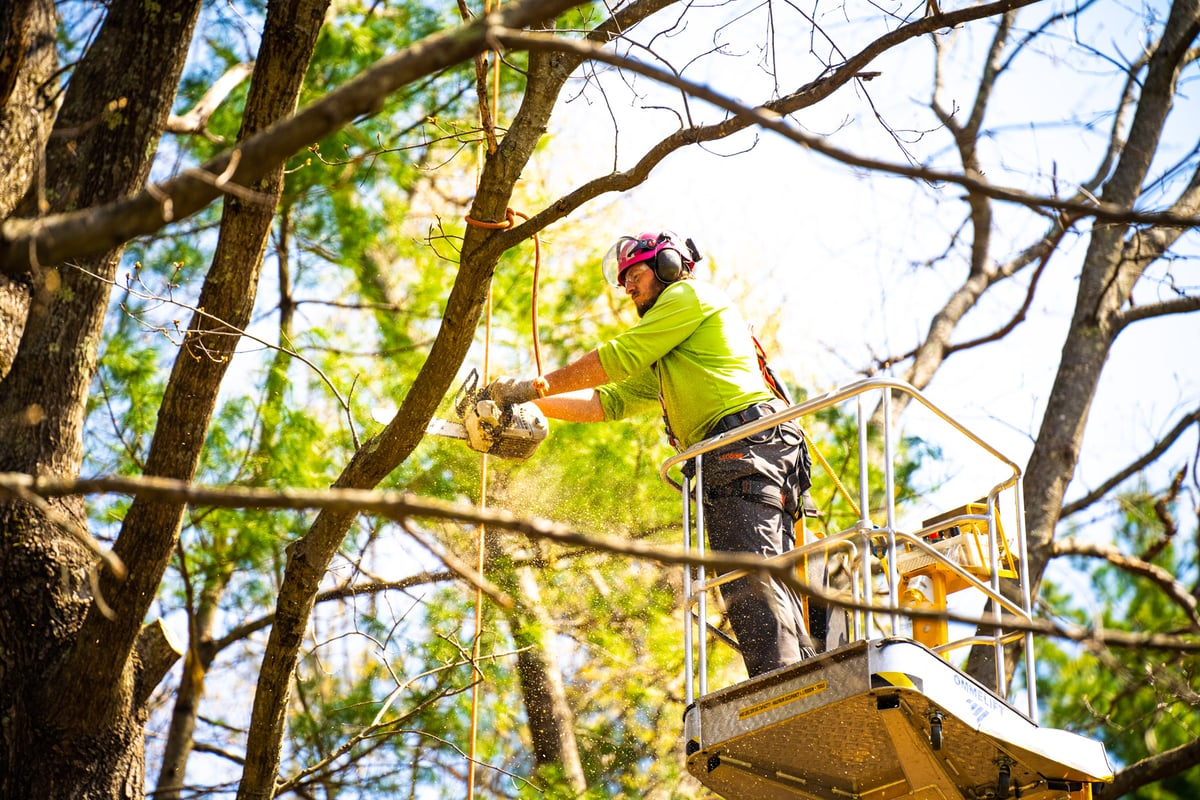
Removing a tree is often a necessary decision for both property owners and managers, especially when health, safety, or appearance is a concern. Trees that are structurally unsound, diseased, or dead can create major hazards, such as the tree collapsing or branches breaking off. Additionally, overgrown trees may shade the area excessively or hinder landscaping efforts. Specialized tree removal teams guarantee that these trees are safely and efficiently taken down, minimizing potential hazards. Moreover, these services often include stump removal, which removes the danger of tripping and makes way for subsequent landscaping. Finally, timely tree removal not only improves the general look of a property but also contributes to a healthier landscape by encouraging nearby vegetation to thrive.
The Importance of Trimming and Pruning Trees
Successful tree maintenance practices are crucial elements in maintaining the health and aesthetics of trees. This practice involves taking off particular branches to improve air circulation, light penetration, and overall tree structure. By taking away diseased or dead wood, pruning assists in stopping the spread of problems, ensuring that the tree remains vibrant and robust.
Consistent trimming improves how the tree looks but also stimulates healthy new shoots, shaping the canopy for ideal beauty. Safety is another key factor; overgrown branches may pose hazards to people and adjacent buildings.
In addition, pruning done correctly may increase the longevity of a tree, allowing it to thrive in its environment. Homeowners and landscapers alike profit by recognizing the significance of this practice, as it fosters a healthier landscape and helps maintain the ecological equilibrium of the area. Ultimately, tree pruning and trimming represent essential elements of effective tree care.
Handling Pest Outbreaks and Disease Prevention
Proper tree maintenance necessitates knowledge of frequent diseases and pests that can threaten tree health. Identifying these issues early is crucial for putting in place the right prevention tactics. This section will explore methods for identifying pest problems and curbing disease transmission in trees.
Spotting Frequent Pests
When ensuring tree health, it is essential to identify common pests that might cause outbreaks and illnesses. Numerous bugs, such as bark beetles, spider mites, and aphids, are capable of substantial injury if left unchecked (Stillwater Tree Service). Indications of an outbreak can involve discolored leaves, drooping limbs, or pests visible on the tree. Additionally, pests like the emerald ash borer and gypsy moth are able to drastically reduce tree health and longevity. Fungal infections, often exacerbated by pest activity, may manifest as leaf spots or abnormal growths. Frequent examinations are essential for detecting problems quickly, allowing for timely interventions. With knowledge of these typical pests, landscapers and homeowners can better protect their trees and promote a healthier landscape overall
Tactics for Disease Avoidance
For maximum tree health and lifespan, implementing disease prevention strategies is essential in addressing both pest infestations and disease management. Regular inspections allow for early detection of pests and diseases, allowing for prompt action. IPM techniques (Integrated Pest Management), such as promoting natural predators and applying natural remedies, help minimize pest populations while reducing the use of chemicals. Additionally, maintaining proper tree care practices—such as pruning, mulching, and proper watering—makes trees stronger, making them more resistant to illness. Teaching property owners concerning seasonal risks and ecological elements that contribute to tree health is critical. By promoting a preventative mindset, communities can enhance the resilience of their landscapes to resist pests and illnesses, guaranteeing healthy trees for future generations.
Improving the Look of Your Landscape With Professional Services
When people wish to boost the beauty of their outdoor spaces, expert arboricultural help are fundamental in improving the visual appeal of the landscape. Skilled arborists provide expertise in cutting trees, pruning, and shaping, which not only support robust health but also refine the overall appearance of trees. By taking away lifeless or excessive limbs, professionals can create a more symmetrical and beautiful environment.
Moreover, tree specialists can assist in selecting the right species and positioning of trees to work well with existing vegetation, guaranteeing balance within the landscape. Periodic maintenance work also help create a polished look, taking out litter and making features more noticeable of important components.
Additionally, well-maintained trees can serve report as focal points, directing the eye toward gardens and outdoor living spaces. Through these comprehensive offerings, clients can attain a dynamic and appealing setting, showcasing their individual taste while guaranteeing the permanence of their landscape investments.
Choosing the Right Tree Service Provider for Your Needs
What steps should property owners take to ensure they choose the right tree service provider for their particular requirements? First, they should research local companies, paying attention to their qualifications, experience, and customer reviews. A reputable provider often has necessary qualifications and insurance, confirming adherence to professional norms and are protected against liabilities.
Next, homeowners should request quotes from various services, reviewing the scope of services and pricing structures. This makes it possible to locate those who provide quality service without compromising quality. It is vital to question the range of tree care offered, such as pruning, removal, or disease management, to confirm alignment with particular outdoor requirements.
Ultimately, speaking directly with prospective companies can reveal their communication style and professionalism. By weighing these elements, homeowners can securely pick a tree service provider that meets their expectations and fosters a healthier landscape.
Questions and Answers
How frequently should tree health be checked for potential problems?
It is recommended that trees are inspected at least every twelve months for signs of disease. Regular assessments help spot issues quickly, guaranteeing prompt action and boosting the tree's vitality, ultimately contributing to a healthier landscape environment.
What Is the Best Time for Tree Planting?
The ideal period for tree planting is usually in early spring or fall. During these seasons, it is neither too hot nor too cold, allowing trees to establish roots before the intense summer warmth or the cold of winter.
Can Tree Services help with eliminating tree stumps?
Yes, tree services can help with stump removal. They utilize specialized equipment and techniques to effectively eliminate stumps, resulting in a tidier yard and preventing potential hazards, pests, or diseases associated with decaying tree remnants.
Are there sustainable Tree Care Options that can be used?

Eco-friendly tree care options include organic fertilizers, natural pest control, and eco-conscious trimming methods. Such practices boost tree vitality while lessening the ecological footprint, allowing for healthier ecosystems and reduced chemical usage in landscaping and tree maintenance.
How Can I Prepare My Trees for Winter?
When getting trees ready for winter, it is important to cut off dead limbs, add mulch around the trunk, give them enough water before the ground hardens, and consider wrapping trunks to protect against cold winds and sunscald, promoting long-term survival and durability. - Stillwater Tree Service